About the project
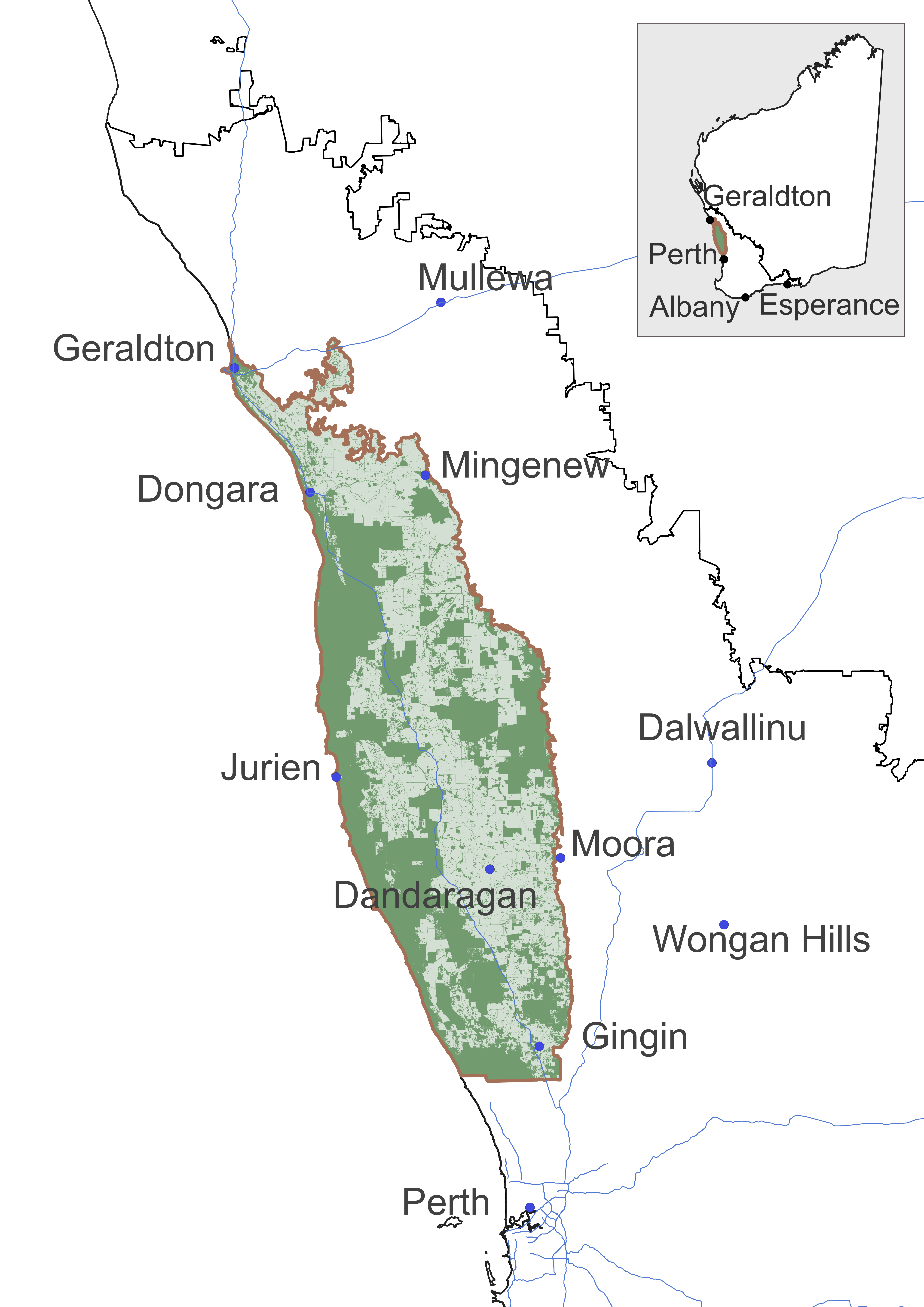
This project addresses the challenge of farming-system resilience in the West Midlands region of Western Australia. A drying climate, increasingly variable seasonal conditions, and fragile sandy soils are potentially affecting both landscape health and farm business viability.
The department, along with project partners West Midlands Group (WMG), Mingenew-Irwin Group (MIG) and Edith Cowan University (ECU), aims to combine farmer knowledge and practices, industry experience and new research to accelerate the adoption of best-practice soil management. Proven practices will be shared through on-farm demonstrations and peer learning to support increased year-round groundcover, improved soil health and stronger farm business resilience.
Alongside this, the department will deliver targeted research to generate new insights. This includes exploring how satellite-derived groundcover data can support on-farm decision-making and comparing sandy soils under different systems to understand the relationship between groundcover and soil function.
Together, these activities will strengthen understanding of and enable landholders to implement practices that improve long-term soil health and farm performance. The project will run until 2030.
Project goals
- Help farmers build stronger, more resilient farms by showing farming methods that work well and stay profitable in the sandy soils of the West Midlands. Farmers can also learn from each other through local groups and easy-to-use information developed with industry experts.
- Provide better information for farm decisions by checking groundcover at 300 locations across the project area. This helps make sure satellite data is accurate and gives farmers practical guidance on using satellite tools to manage their land.
- Learn more about soil health by studying how different farming systems affect soil. The project will look at the physical, chemical and biological condition of soil and help identify changes that could affect long-term productivity and environmental health.
Challenges facing the West Midlands agricultural soil zone
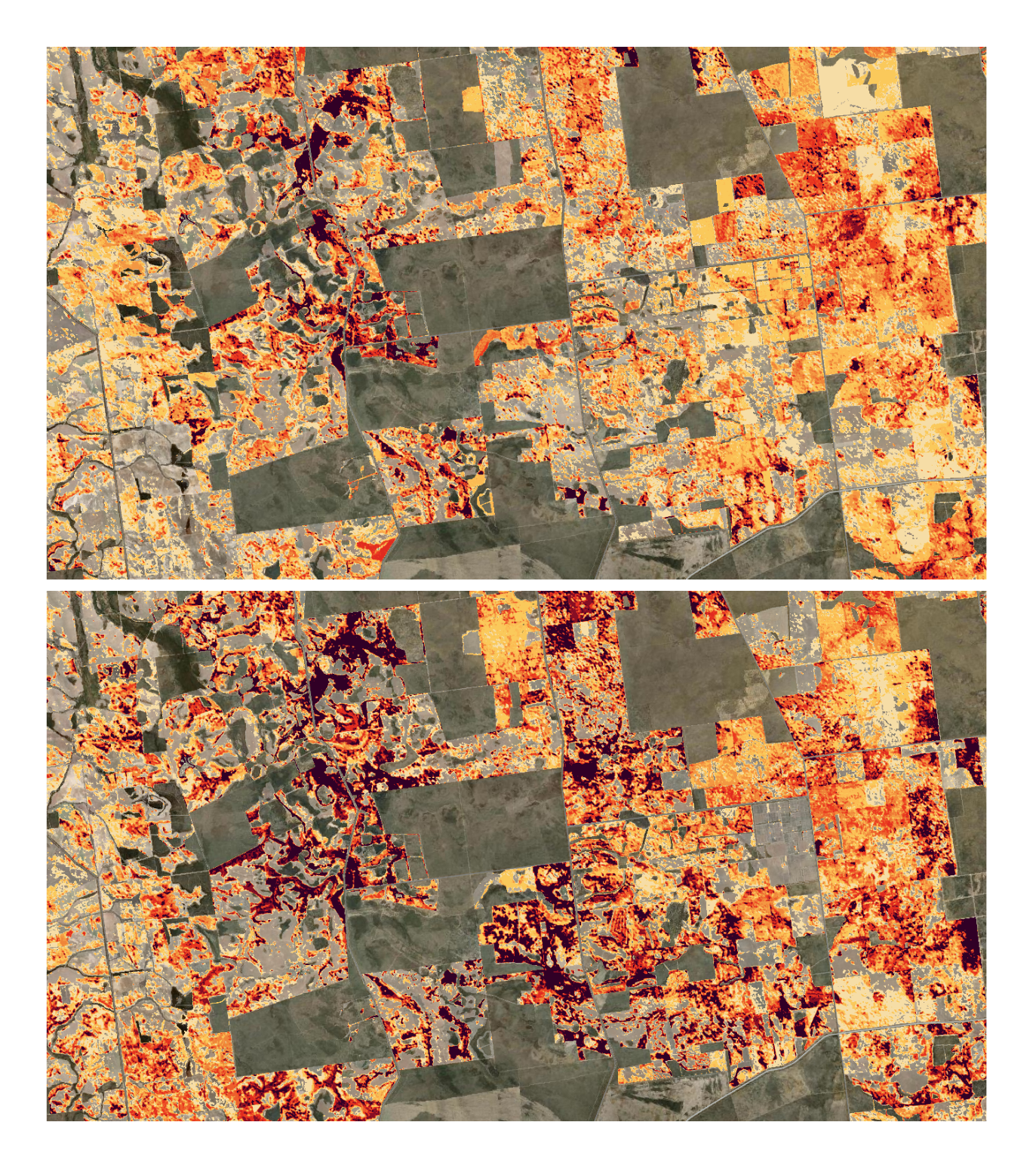
The project focuses on the Perth Sedimentary Basin between Gingin and Geraldton, an area dominated by sandy soils, particularly pale deep sands and pale sands over gravel. These soils are difficult to manage due to low fertility, low water-holding capacity, water repellence and susceptibility to erosion, with producers identifying water repellence as the primary constraint. Declining growing-season rainfall, increasingly variable seasonal breaks and extreme seasonal events, such as cyclones and pest outbreaks, have compounded these challenges, making groundcover more difficult to maintain and heightening the risk of erosion. Satellite data show a trend over the last 20 years of expanding areas of low groundcover (see images).
While many producers have adopted soil management practices that have improved productivity, further action is needed. Farm management needs to adapt to ensure that groundcover and farming systems are resilient in the face of the changing conditions. This project brings producers together to explore integrated solutions to increase groundcover and build long-term business and landscape resilience. Options include soil amelioration, organic amendments, improved pasture systems, fodder shrubs and grazing strategies. Support will be tailored to address farm-specific constraints and business goals.
Opportunties to share knowledge
Grower groups, the West Midlands Group and the Mingenew-Irwin Group will offer 2 formats for sharing knowledge and experience:
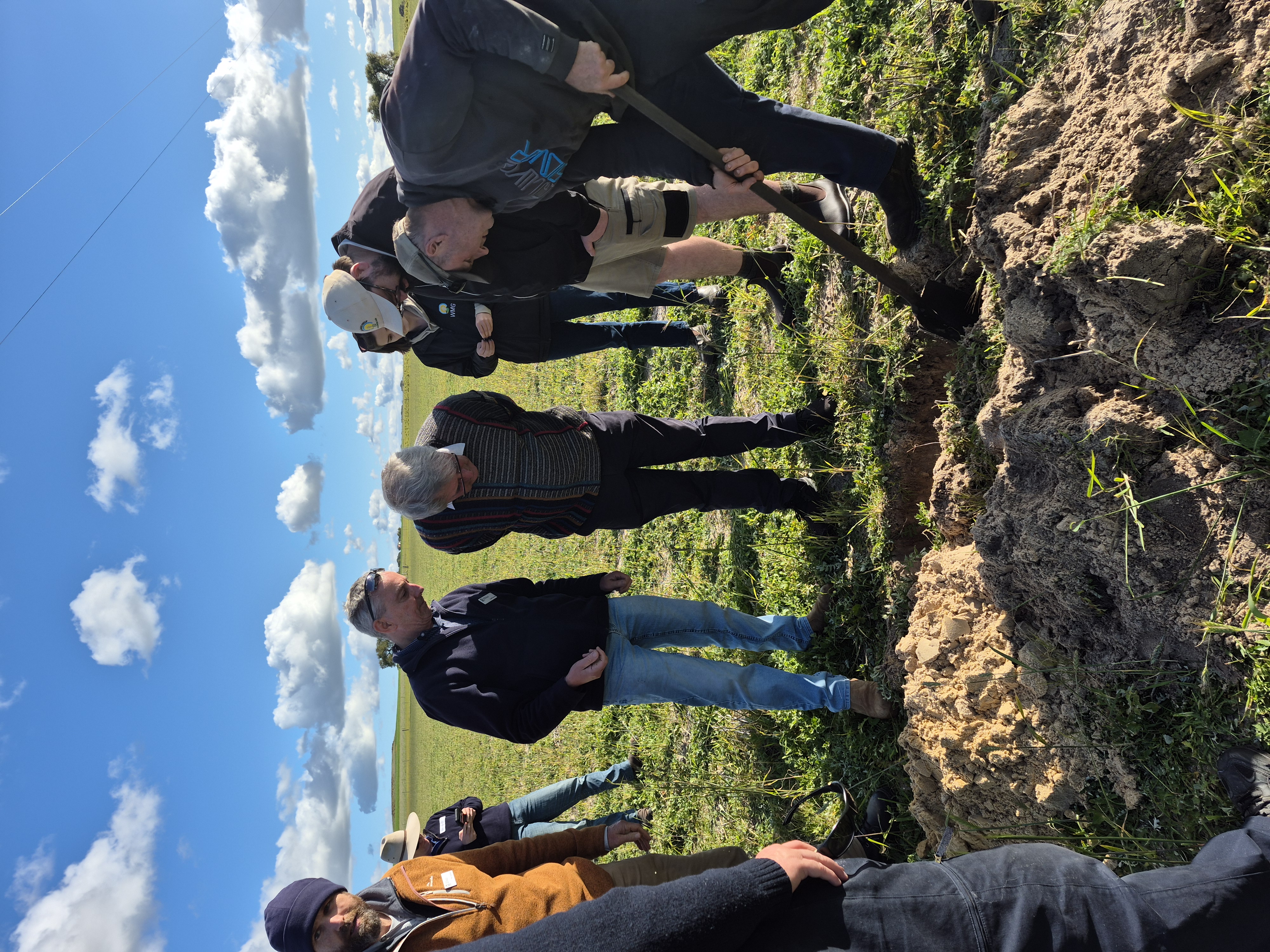
- Peer learning groups to explore and successfully adopt a combination of practices that address the specific issues on farm. These groups allow members to discuss issues and ideas that are appropriate for their situation, giving them the confidence to trial and adopt changes on their own property.
- Demonstration sites will be established to showcase examples of how some of the more prevalent challenges of sandy soils can be successfully managed. Local groups will hold a series of events based around these demonstration sites to provide knowledge and practical tips on implementing a similar system.
The topics to be explored through the above activities will be driven by the needs and interests of local farmers, with specialist advice available from consultants and researchers. To get involved, contact the West Midlands Group or the Mingenew-Irwin Group.
Support research activities
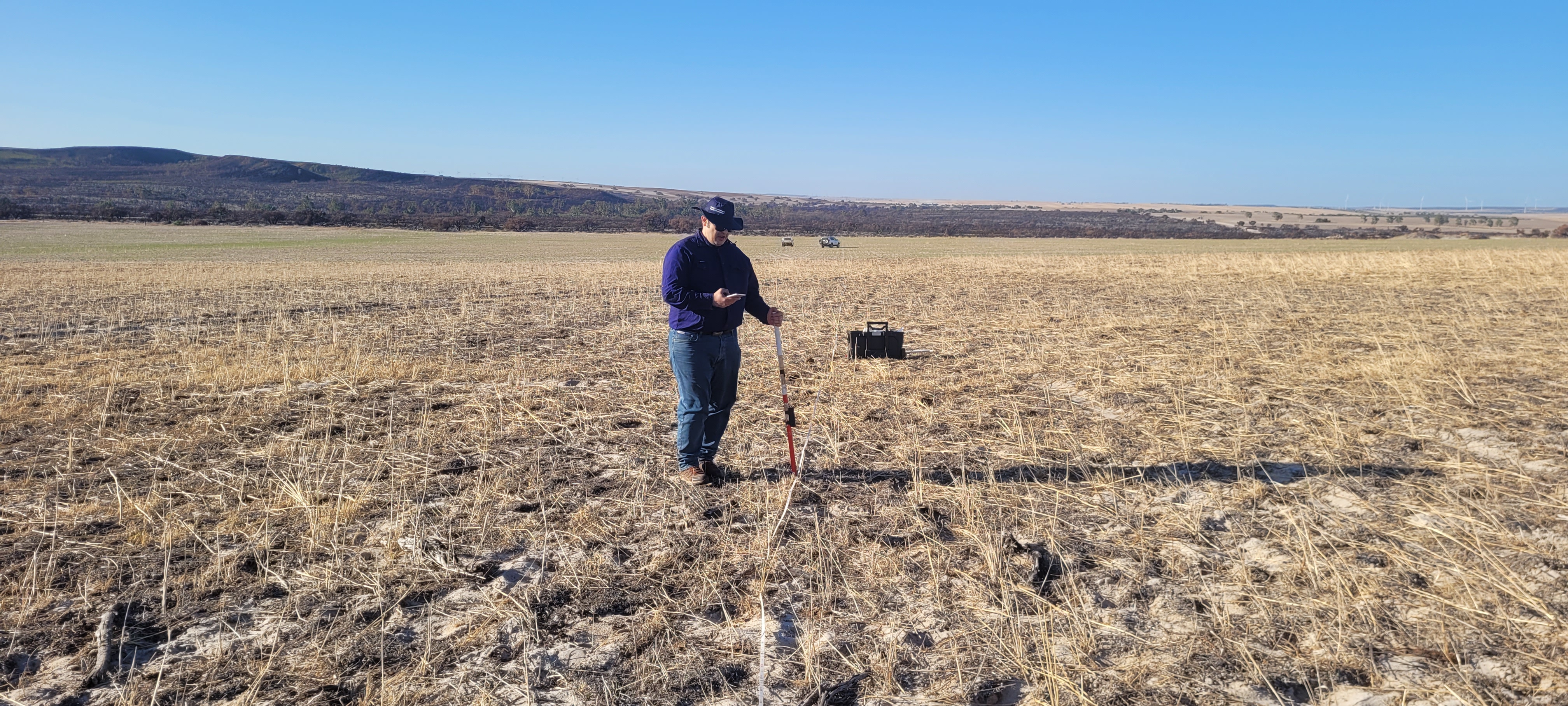
The department is conducting 2 research activities throughout this project to build on our understanding of the relationship between soil function and groundcover, and their effect on farm business viability.
- Satellite data validation – measurements of groundcover will be matched against satellite data to check the accuracy of the data. These sites are randomly selected.
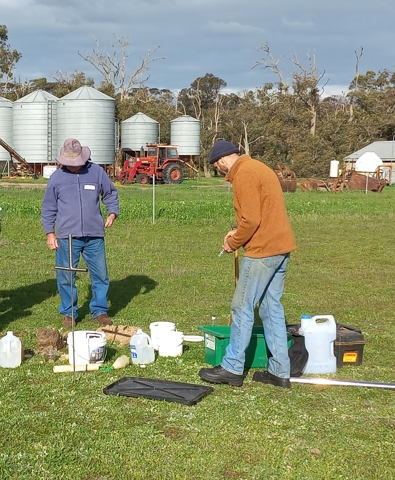
- Soil function under different systems – measurements of soil characteristics under different systems to understand factors that affect a soil's capacity to be productive and maintain groundcover.
If you would like to be involved in either of these research activities, send an expression of interest to sandysoils@dpird.wa.gov.au
Join the West Midlands soil resilience research project
Get involved
Explore how you can be part of the Sustainable Sandy Soils project. Whether you’re a landholder, land manager or agribusiness, there are plenty of ways to get involved.
Contact the Sandy Soils teamAcknowledgements
Sustainable Solutions for Sandy Soils is a joint initiative of the department, West Midlands Group, Mingenew Irwin Group and Edith Cowan University, funded by the Australian Government Department of Agriculture, Fisheries and Forestry under the Future Drought Fund’s Resilient Landscapes Program.