
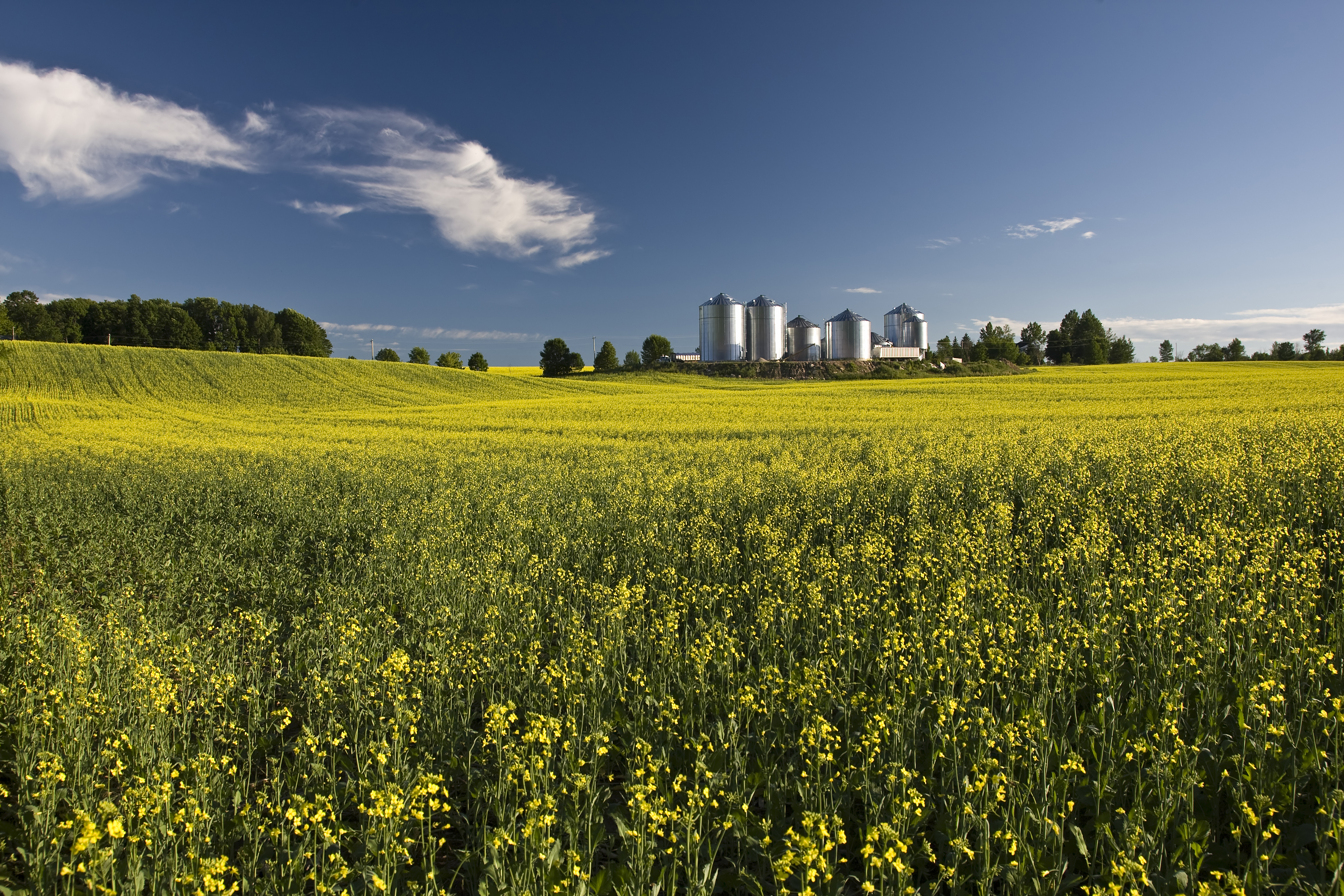
Bioenergy is a form of renewable energy generated by the conversion of organic matter (biomass) into heat, electricity, biogas and liquid fuels. These include:
- liquid carbon liquid fuels such as renewable diesel, sustainable aviation fuel, ethanol and biodiesel
- biogas and biomethane derived from anaerobic digestion
- solid bioenergy from wood chips and pellets for heat or electricity.
The department supports the development of the Western Australian bioenergy industry by:
- leading the Advanced Biofuels Strategy under the Made in WA Plan
- working with project developers, peak bodies and government agencies to support business and regional development
- providing education and advocacy.
Biomass
Biomass is the organic feedstock or resource material needed to produce bioenergy and biofuels. The supply of feedstocks is critical to the production of bioenergy and biofuels.
Biomass comes from a range of sources:
- agricultural residues - wheat, barley, oats, canola straw
- woody biomass - blue gum; pine; mallee, ecological thinnings, and plantation residues
- canola oilseeds, refined oils - tallow, used cooking oil
- municipal and construction waste
- biosolids from wastewater
- energy crops and purpose grown crops like pongamia.
Significant advancements in technologies have created new opportunities for bioenergy with a growing emphasis on waste recovery and the use of sustainable feedstocks.
Advanced biofuels
Advanced biofuels are ‘drop-in’ alternatives to conventional fossil fuels. These include renewable diesel, sustainable aviation fuel (SAF) and biomethane. Read more below and watch our video to learn more.
Under the State Government’s Made in WA Plan, the department is leading the development of the Advanced Biofuels Strategy, a detailed analysis of what is needed to build a biofuels industry in WA. To underpin the strategy, a techno-economic analysis of biomass feedstock landscape, supply chains, and conversion pathways is needed for a sustainable, viable local biofuels industry.
‘Drop-in’ fuels meet Australian fuel standards, do not require blending, and can be used in existing engines without modification. Their compatibility with transport and fuel distribution assets and infrastructure makes advanced biofuels an immediate solution for reducing greenhouse gas emissions in hard-to-abate sectors such as mining, aviation, and agriculture while other technologies (electrification, hydrogen) mature.
Advanced biofuels can reduce lifecycle emissions by between 50 and 90 per cent depending on the feedstock and technology pathway and offer a range of benefits:
- reduced reliance on imported, high emission fossil fuels (fuel security)
- circular economy and waste-to-energy opportunities
- new revenue streams for farmers
- reduced air pollution
- economic diversification.
New, proven conversion technologies and a growing need to reduce greenhouse gas emissions have increased interest in the local production of biofuels.
Renewable diesel is an advanced biofuel made from a range of waste, residual and purpose grown biomass sources. The main feedstocks for renewable diesel include:
Renewable diesel is produced by various processes such as hydrotreating, gasification, pyrolysis and other biochemical and thermochemical technologies.
Renewable diesel (unlike biodiesel) can directly substitute conventional diesel and does not require blending. It can be used in existing engines and is approved by a wide range of original equipment manufacturers (OEMs). Depending on the conversion pathway, renewable diesel can reduce emissions by up to 90% compared to conventional diesel.
Sustainable aviation fuel (SAF) is an advanced liquid biofuel derived from biomass that is suitable to be blended with fossil jet fuel. There are several approved SAF technology pathways which allow blending with conventional jet fuel by up to 50 per cent. This is estimated to reduce emissions by up to 80 per cent during its full lifecycle.
Although current production is less than 1 per cent of the total demand, SAF is regarded as the most promising method of decarbonising the aviation industry. The majority of SAF production is based on producing HEFA (hydroprocessed esters and fatty acids) from the hydrotreatment of waste fats or vegetables. The main feedstocks for SAF include animal waste, forestry residues and energy crops.
Biogas is a renewable, methane rich fuel produced when organic matter is broken down through the process of anaerobic digestion. It is produced from a range of feedstocks including: crop residues, animal manure, the organic component of municipal solid waste and wastewater sludge.
Biomethane is a purified derivative of biogas and contains over 90 per cent methane. It is a drop in fuel and is compatible with current gas infrastructure without modifications. Biogas and biomethane can be used to produce heat alone or through combined heat and power (CHP).
By-products
Bioenergy by-products are materials that are created through the production of energy from organic sources (biomass). These value-adding products can create additional revenue streams in addition to the primary product produced. Biochar is a commonly produced by-product from bioenergy production.
Biochar is a stable, carbon-rich form of charcoal that can be added to soil to sequester carbon and reduce net greenhouse gas emissions.
It is produced by pyrolysis, a process where biomass (plant or animal waste) is heated at temperatures greater than 250°C with little or no oxygen. From this process, a carbon-rich, relatively stable product is generated.
Converting plant material to biochar reduces the amount of carbon dioxide (CO2) released to the atmosphere. Depending on the type of the source material, biochar can remain in soils for hundreds to thousands of years.
The benefits of biochar vary, depending on the type of biochar and the soil. They include:
- improvement to soil fertility, water holding capacity and crop productivity
- increased soil carbon content and longer-term carbon sequestration than soil organic carbon
- potential to use less fertiliser while maintaining/increasing crops due to reduced leaching.
Advanced Biofuels in WA: Driving emissions reduction, energy security and regional growth
Watch this video to learn more about advanced biofuels and how they can be used in existing engines and fuel infrastructure without modification. They offer a practical solution for reducing emissions in hard-to-abate sectors such as aviation, long-haul transport, mining and agriculture.
What if waste could help fuel entire factories and industries?
Learn more about the hidden potential of low emission renewable gas, like biomethane; an energy solution that brings circular economy benefits by capturing value from what usually gets thrown away.
Bioenergy newsletter
Stay informed on the Advanced Biofuels Strategy and developments across the industry.
Contact us
-
Bioenergy team
-
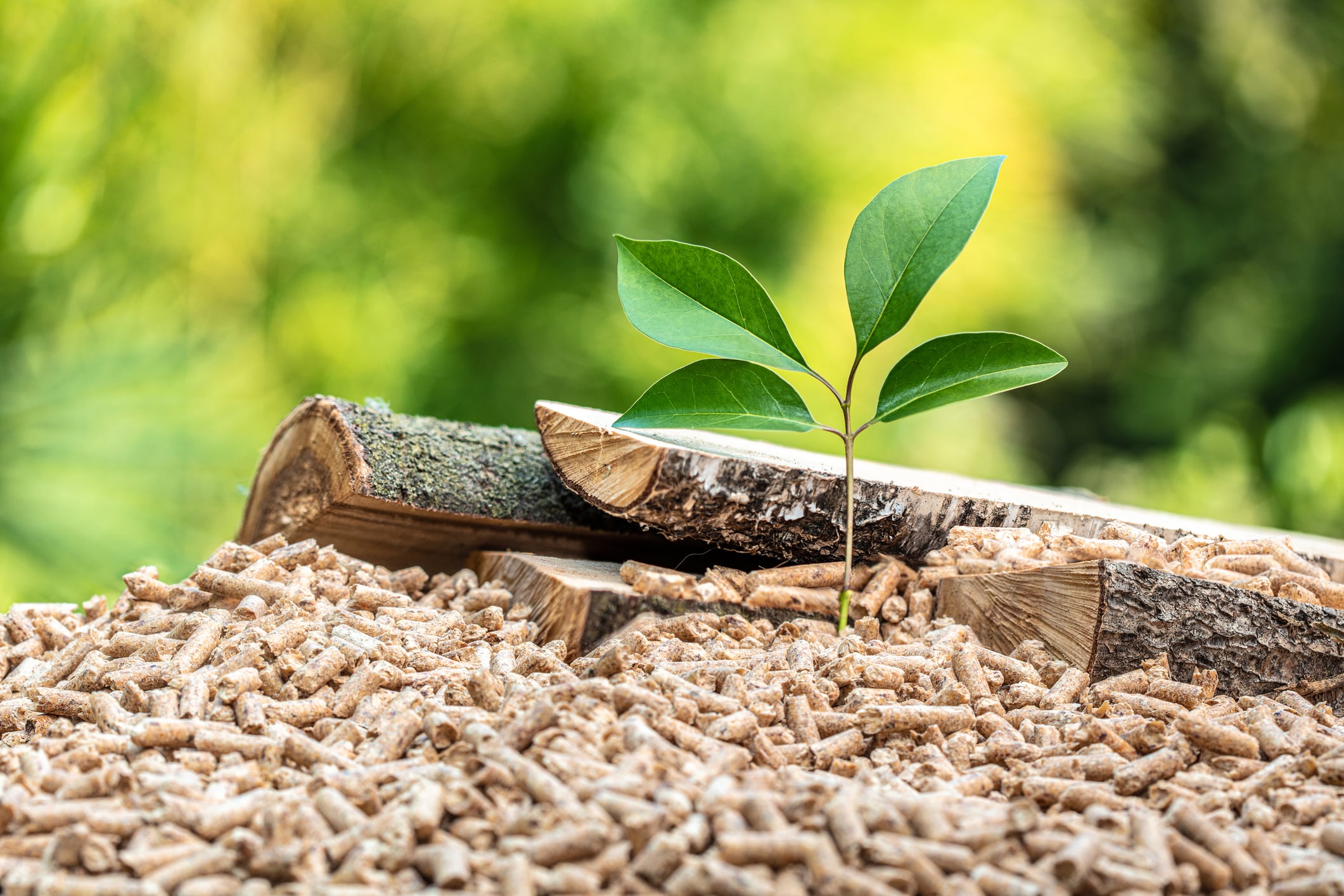 Wood pellets with leaf and tree trunks as a source of biomass
 -
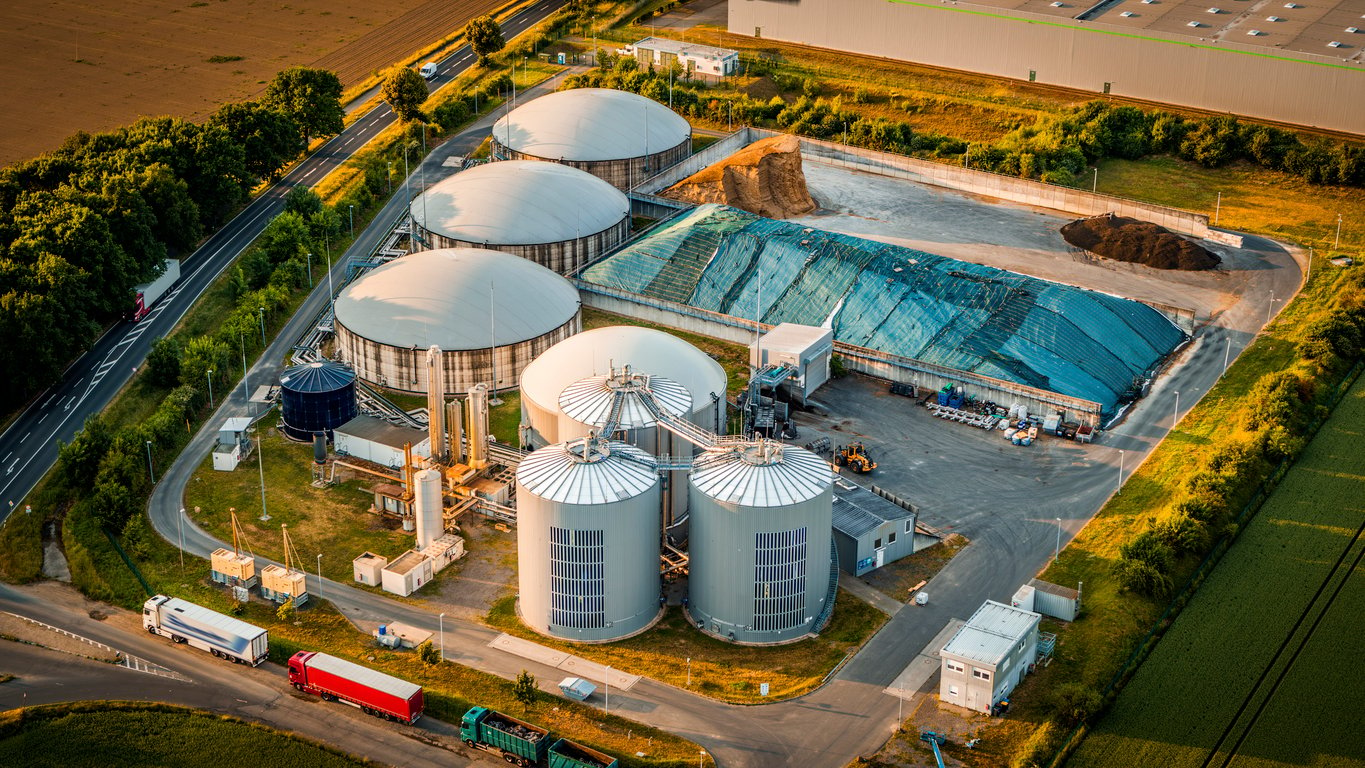 Aerial view of a modern biogas facility
 -
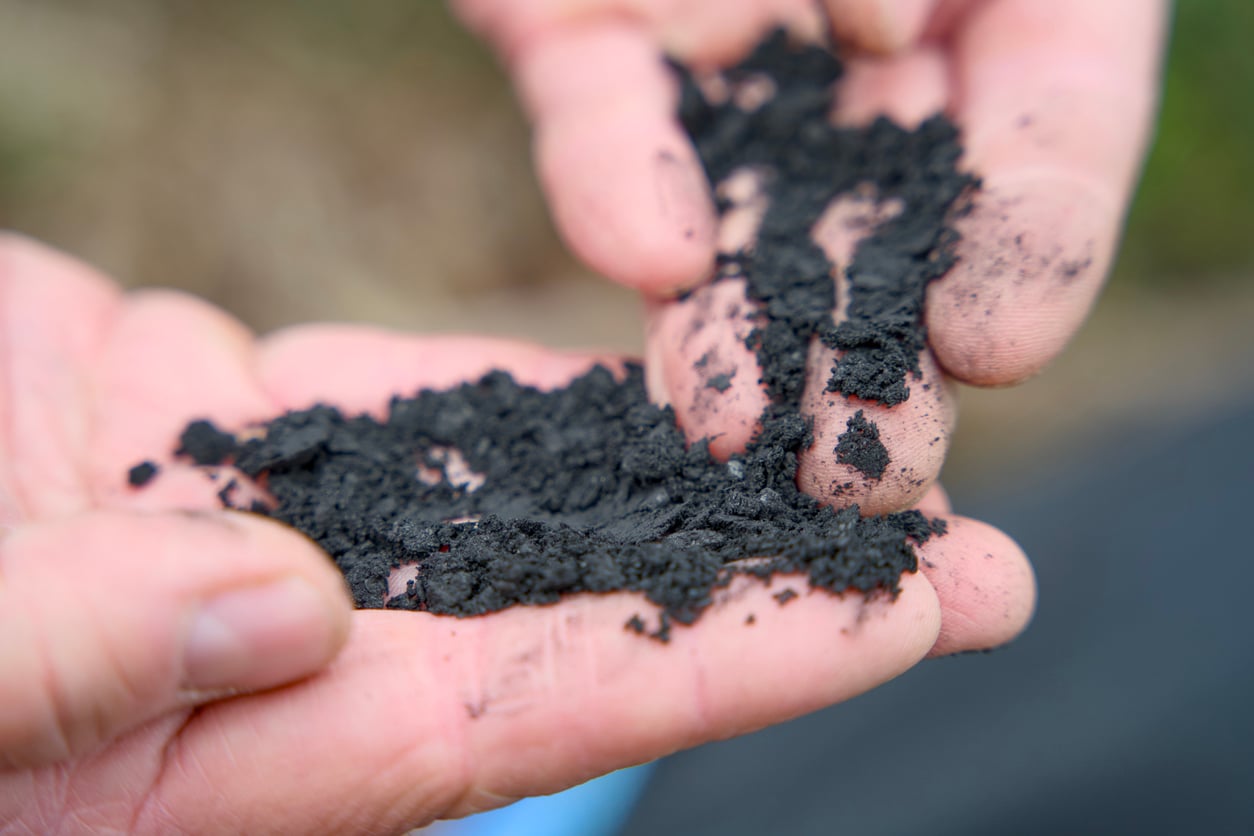 Close-up of biochar, produced through wood pyrolysis